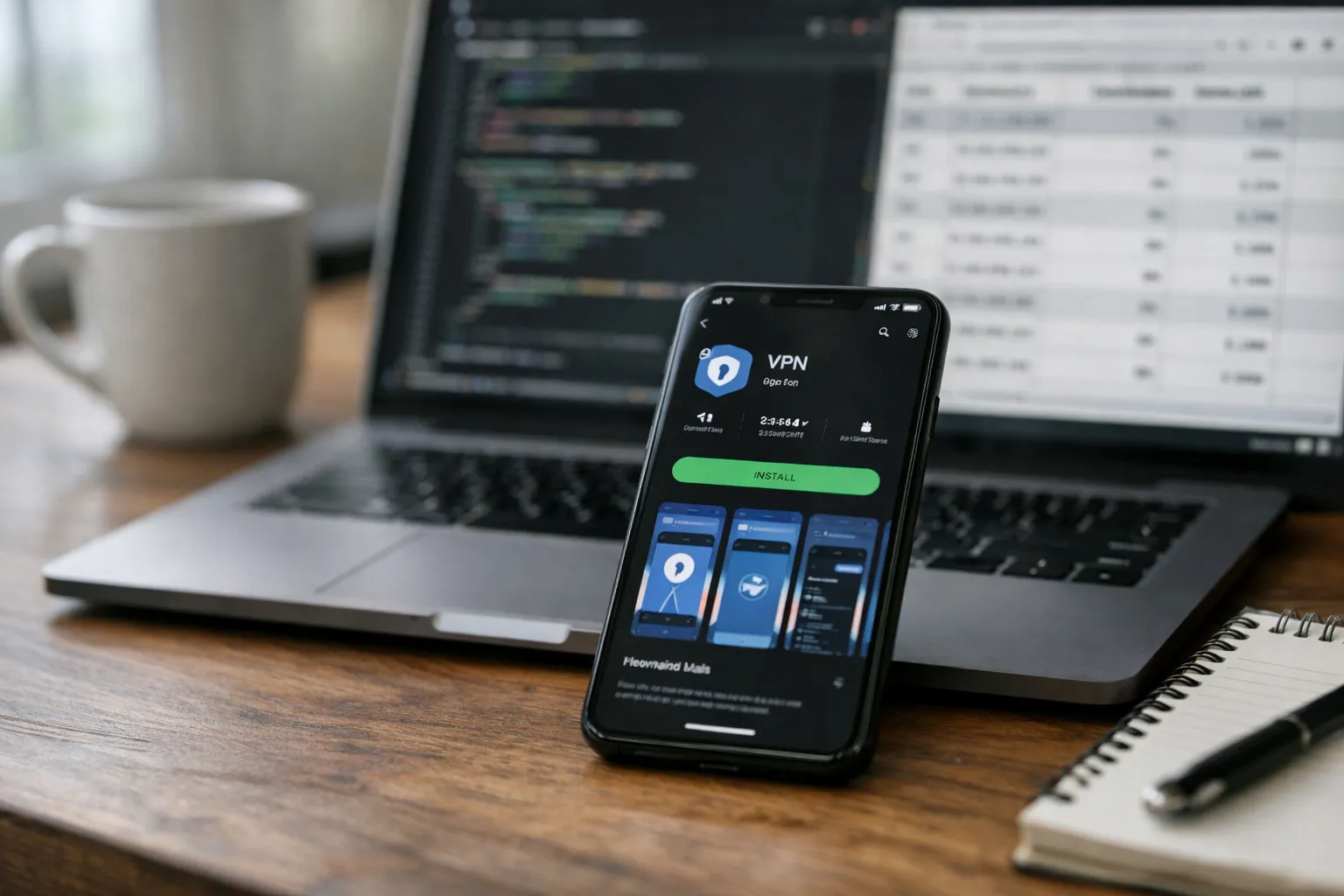
In a move likely to reshape the consumer VPN market, Google announced in July 2026 that it will update Play Store developer policy to require VPN apps to disclose infrastructure details, publish an independent privacy-audit report annually, and substantiate advertising claims such as "no logs" and "anonymous." The changes — aimed at reducing deceptive marketing and improving user transparency — introduce operational and legal trade-offs for providers and could raise consumer prices.
What the policy changes require
- Server infrastructure disclosure: VPN apps listed on Google Play must publish a machine-readable server index specifying the jurisdictions of exit nodes and the entity that operates each node (self-operated, partner, or cloud provider). IP addresses may be redacted in initial filings for security, but jurisdiction and operator metadata must be clear.
- Annual independent privacy audits: Vendors must commission a third-party audit covering logging practices, data retention, and technical controls (encryption, key management). A summary report must be uploaded to the app’s Play Store listing and refreshed yearly.
- Marketing substantiation: Claims such as "no logs," "untraceable," or "anonymous browsing" must be backed by audit findings or court-verified warrants outcomes. Vague privacy hyperbole will be subject to removal.
- Disclosure timeline and enforcement: The policy takes effect for new app submissions immediately; existing apps will have a six-month compliance window. Noncompliant apps face listing removal or forced policy flags requiring user warnings.
Why Google says it acted
Google framed the update as a consumer-protection measure. Play Store product policy notes cited by sources emphasize preventing deceptive privacy claims and giving users clearer information to choose services that match their threat models. Google also highlighted the global reach of Play Store distribution and the difficulty users face in verifying opaque provider claims.
Industry reaction: transparency vs. risk
Responses from VPN operators were mixed. Several mid-size providers told VPN Security Review they support increased transparency but warn that mandatory disclosures could create new attack surfaces and compliance burdens.
- Transparency supporters: Some smaller providers said that publishing audited practices could be a market differentiator, allowing privacy-focused vendors to justify premium pricing.
- Operational concerns: Providers that rent servers from cloud platforms flagged that disclosing the operator relationship and jurisdiction in granular detail could expose those servers to targeted takedowns, legal process, or abuse by adversaries aiming to deanonymize exit use.
- Cost implications: Annual third-party audits typically range from $10,000 to $200,000 depending on scope and vendor scale. For free or low-cost services, these costs could mean subscription price increases, reduced free tiers, or exit from Google Play.
Legal and technical trade-offs
Security practitioners and privacy advocates we spoke with outlined a set of trade-offs implicit in the policy:
- Operator transparency vs. node security: Listing operator relationships helps users evaluate legal risk (e.g., whether a node is hosted in a five‑eyes jurisdiction), but it also aids adversaries in locating high-value egress points.
- Audit depth: High-quality audits require both technical penetration testing and procedural inspections (policy, staff access controls). Many audits cannot—and should not—include full disclosure of ephemeral cryptographic keys or live traffic captures.
- Jurisdictional complexity: Some providers run mixed fleets (self-operated, partner-hosted, and cloud VM-based nodes) that change frequently. Maintaining accurate, machine-readable indices will require automation and likely a new class of infrastructure tooling.
What this means for users
For everyday VPN users, the policy promises clearer information at the point of download. App pages that comply will show audit summaries and a high-level map of where traffic may exit. That should make it easier to compare providers on tangible axes rather than marketing slogans.
At the same time, users who rely on VPNs for evading censorship or for threat models requiring operational secrecy should be cautious; some providers may choose to delist from Google Play to avoid disclosure obligations. Alternative distribution channels (direct APK downloads, third-party stores) carry different risks and should be vetted carefully.
Implications for the market
Analysts say the policy could accelerate consolidation. Smaller VPN projects, especially free services with thin margins, may find the compliance costs prohibitive. Larger providers with existing audit practices and enterprise roots are better positioned to absorb the new requirements and promote compliance as a trust signal.
Tooling vendors are likely to respond: expect an uptick in services that generate and host machine-readable server manifests, automate audit evidence collection, and provide attestation mechanisms for Play Store listings.
Next steps and what to watch
- Monitor how Google interprets "operator" and "jurisdiction" in enforcement cases — edge rulings will clarify granularity requirements.
- Watch for guidance from auditors on acceptable disclosure redactions to balance transparency and security.
- See if Apple follows suit for the App Store. Cross‑platform parity would magnify the market impact.
For VPN users, the short-term advice is practical: (1) inspect Play Store listings for posted audit summaries before subscribing; (2) check provider blogs for their implementation plans; and (3) consider whether a provider's compliance path aligns with your privacy needs. For providers, starting audit conversations now and investing in server-index automation will be essential to meet the new Play Store baseline.